
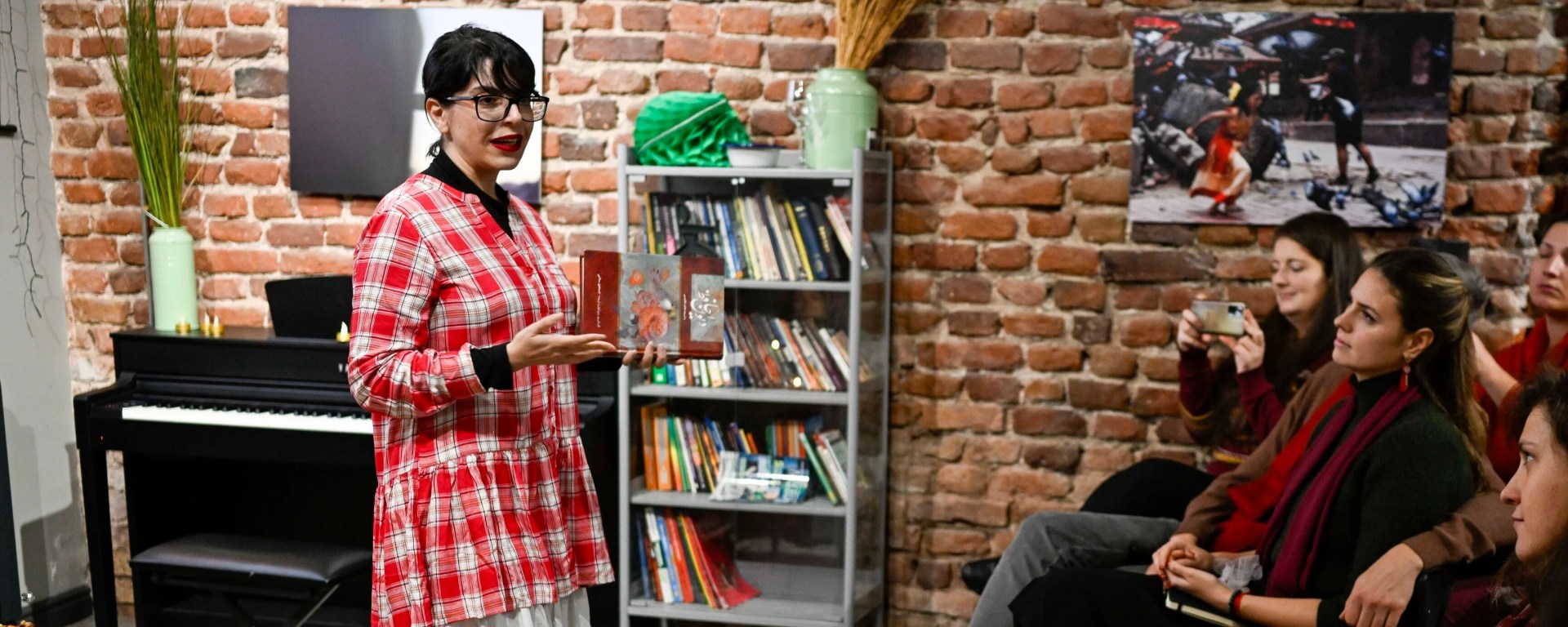
December is a month full of festivities. While many associate this time with Christmas and New Year’s Eve, there is another celebration that others eagerly anticipate – that is, Yalda Night.
The Persian festival celebrates the winter solstice (December 20/21) and is marked in Iran, Azerbaijan, Iraqi Kurdistan, Afghanistan and Tajikistan. On Yalda Night, the longest and darkest night of the year, friends and family come together to dine, eat fruits and nuts, and read poetry through the early hours.
To find out more about this festival, I interviewed Mahsa Nouraei as part of our partnership with Multi Kulti Collective and their Migrants Got Talent campaign, Born in Iran, raised in the UK, and now residing in Bulgaria, Mahsa is also the winner of the 2023 Volunteer of the Year award in the Arts and Culture category.
Hi Mahsa, please introduce yourself to our readers.
I am Mahsa Nouraei, and to answer your question, I’ll take a liberal take on Tolkein’s words: I am a wanderer, who for sure is not lost. Not so much a wanderer in the sense of a physical traveler, but a person who likes to dabble in new things, be it art, culture, food, ideas, etc.
I am originally from Esfahan, Iran, and I was raised in Manchester, UK. For the past 7 years, I have been calling Sofia, Bulgaria my home. I am a Persian and English Language instructor by profession, currently working at various private and public institutions, an assistant at the Iranian Studies specialty of Sofia University as well as a hobby editor, poet, cook and artist.
Congratulations on recently winning Bulgaria’s national Volunteer of the Year award. Could you share a little bit about your volunteer work in the arts and culture?
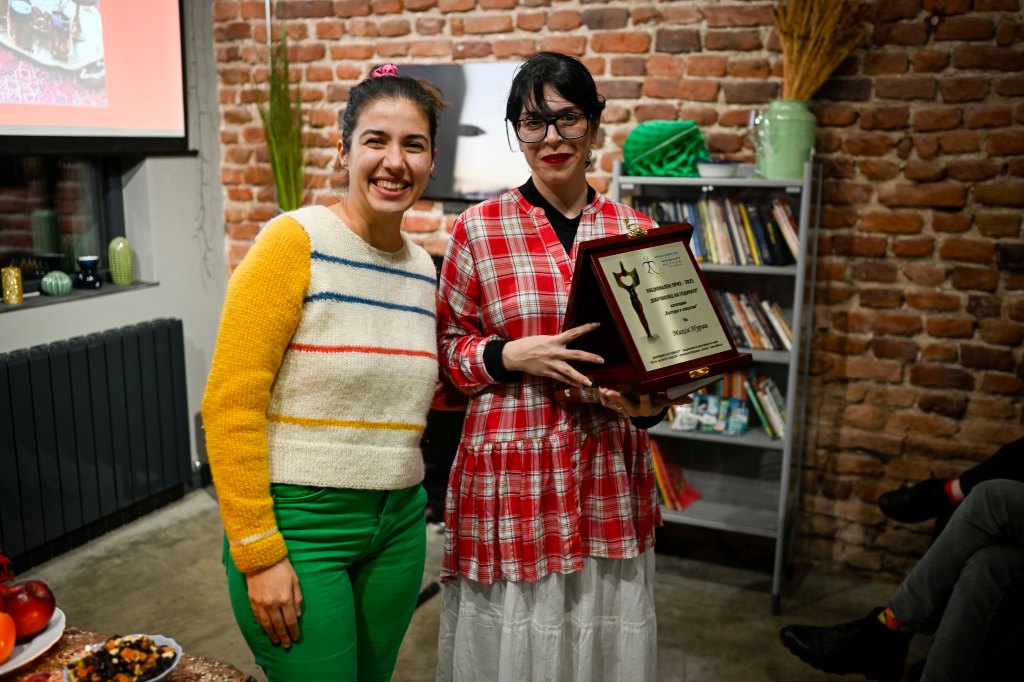
Thank you very much! To be honest it was a very unexpected, yet wonderful end-of-year surprise which still feels surreal. I was not aware that I had been nominated by Multi Kulti Collective for Bulgaria’s national Volunteer of the Year award in the art and culture category, awarded by the Astika foundation, for which I am forever grateful.
I was raised in a cultural/academic household that had liberal views towards life, art and culture, and as such, I was constantly provided with food for thought and room for personal development. I was also always encouraged to share my knowledge and love of language and culture with my community, through their examples.
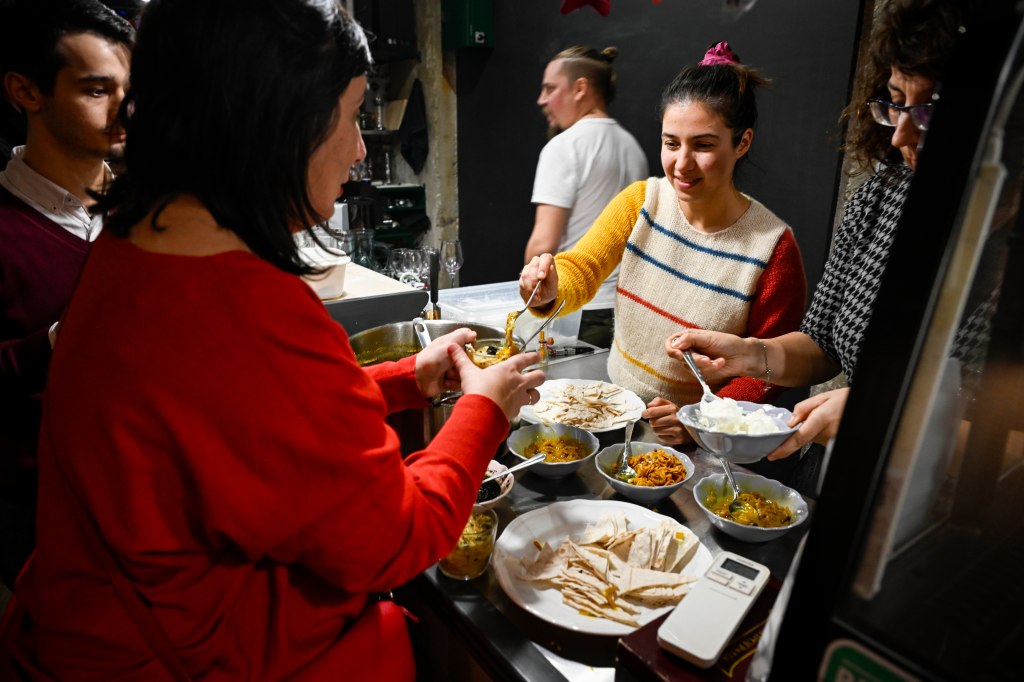
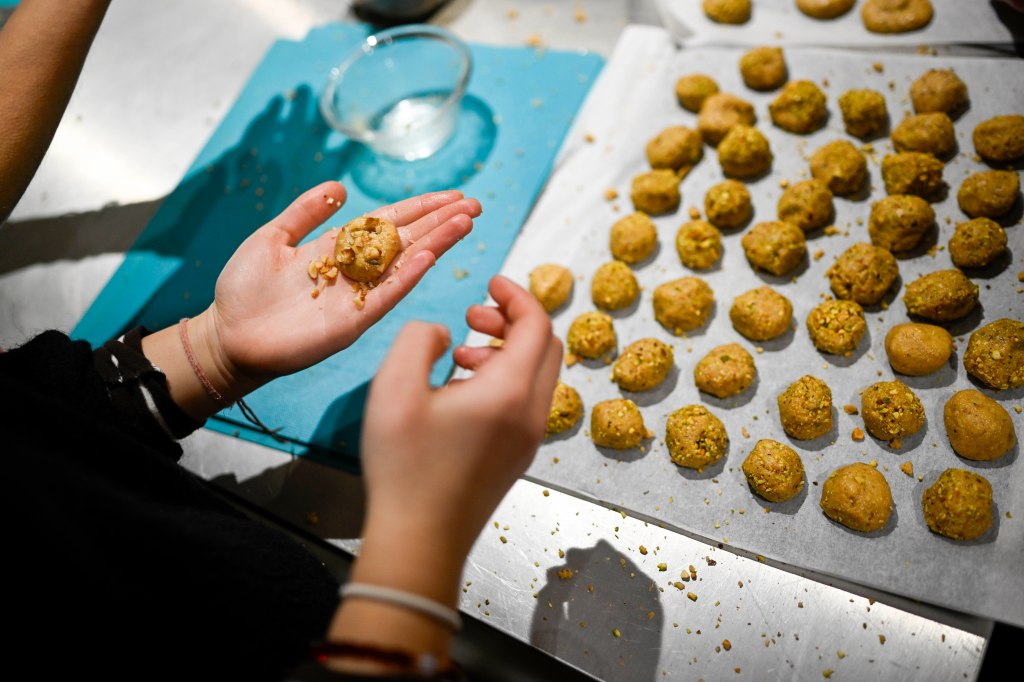
I have always been a volunteer, even as a teenager, offering to teach, tutor and hold artistic workshops, debate classes and other cultural events. During Covid, I had put volunteering on hold, but then I e-met Bistra Ivanova from Multi Kulti Collective and volunteered to be a part of their “Migrants Got Talent” project. In collaboration, we have hosted a variety of artistic and cultural events over the past year, including an art workshop for Ukrainian refugees, Language exchange for Bulgarians and foreigners, Persian evening gatherings with cooking workshops, and poetry readings.
Volunteering has provided me a means to make connections with locals, resident migrants and refugees and has given me the chance to learn more about my host country.
The Persian festival Yaldā Night takes place on December 20/21 and is known as the longest night of the year. How do you celebrate this festival?
Yalda is the celebration of the Winter Solstice in Iran, but not only. The Persian Calendar is a solar based calendar and the spring and autumn equinox as well as the summer and winter solstice mark festive celebrations which pre-date the Achaemenid empire, going as far back as 2500 BC, according to research.
The Spring equinox marks the new year (Norouz), the summer solstice: the rain season (Tiregan), the autumn equinox: the harvest season (Mehregan) and the Winter solstice: Yalda.
Yalda has deep roots connected to Mithra/Mitra, the ancient Indo-Iranian Sun god in Mithraism or Mehrparasti, who was later adapted as a “Yazata” or deity into Zoroastrianism during the Achaemenid Empire. In Zoroastrianism, binary oppositions are prominent, specifically that of the fight of Ahura Mazda, the ultimate virtue and Ahriman, the ultimate evil. It is believed that by the dawn of Yalda, Mithra, is born to a virgin mother at dawn and ultimately, day (symbol of good and light) prevails the bleak darkness of evil and night. After the Winter solstice, indeed, daylight grows approximately by a minute until the summer solstice and this cycle continues, as does the cycle of life.
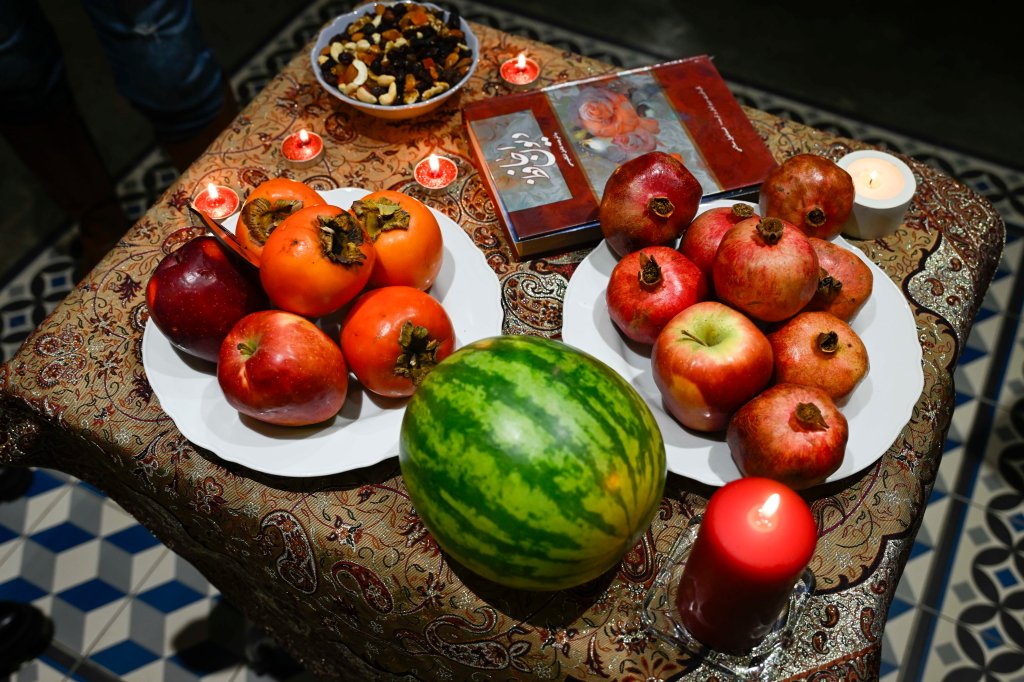
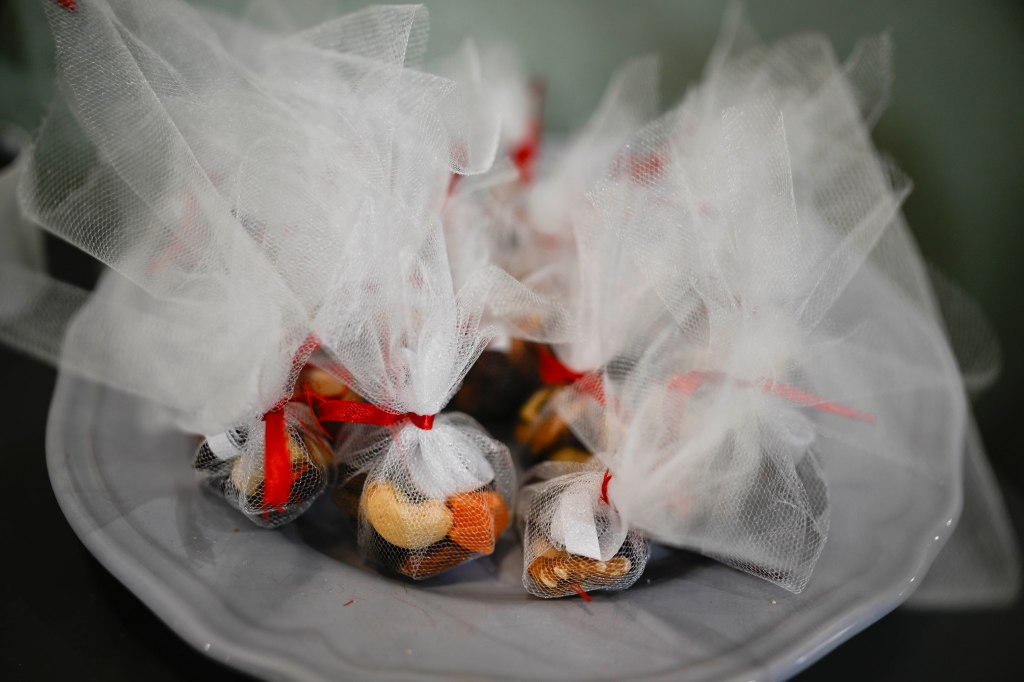
Nowadays, although most Iranians are Muslims, Yalda lives on in our hearts and is celebrated throughout Iran, regardless of faith. On this eve, Persians usually gather at an elder’s home, usually grandparents and cook a feast. They make a Yalda layout consisting of watermelons, pomegranates, persimmons, Baslough (lokum), and a sweet nut and dried fruit mix known as Ajil-e Moshkel Gosha (or problem-solving nuts). They also read Hafez’s poetry and interpreting it to predict their future (bibliomancy) and connect the older generation with the younger through literary heritage. The warmth of the fire and love will help break the night by making it pass quicker.
In your opinion, how important is it to celebrate your traditions when living away from your country of origin?
I was raised outside of Iran in a country that did not celebrate the same traditions as ours, at a time when social media was not a thing, so my parents did their best to make these festivities as authentic and special as possible and I think this has had a great impact on me.
Even though I was not surrounded by people who shared my excitement or could understand what I meant about Yalda or Norouz, my family were still successful in making me be excited about all these festivities. They also made me want to go to great lengths to share them with my non-Persian friends, find the essentials and celebrate in minute detail.
The primary school I went to in England was a public one and had many international children. We had Culture days where we were given a chance to share our food and culture with others and appreciate and learn from our differences. I think this made me want to learn more about my heritage and opened more dialogues with my parents who were more than eager to share my native culture with me.
To answer your question though, I do think that this is a personal decision and I think each immigrant/expat/refugee can make their own personal choice as to continue celebrating their country of origin’s celebrations or not. Personally, I celebrate not only mine, but also those of the countries I have lived in and called home, including Bulgaria, since I am married to a Bulgarian. Celebrating both our cultures adds to the diversity of our home.
Do you encourage people from other nationalities to celebrate Yaldā Night this year? If so, what advice would you give those who would like to mark the festival?
Yes! Please celebrate! Persian celebrations, just like many other festivities, are all excuses to bring people closer and to bond them with warmth and love. I cannot personally speak for over 80 million Iranians, but knowing my Iranian relatives, friends, and family, I am sure with the culturally engraved generosity we are raised with, most would be happy to see non-Iranians celebrate with us. After all, the more, the merrier.
Red candles, clothing and fruits are significant to this night and dried fruits and nuts are a must. You can share poetry with one another, tell jokes and laugh the night away with loving company, music and warmth of presence. I would absolutely love to see more people celebrating Yalda! Keep in mind that Yalda ultimately is an indo-iranian sub-branch of the indo-european cultures/languages and as such, it belongs to a broader audience than just Iranians.
Yalda Mobarak!
 Sip of Culture